Melanzane alla Parmigiana
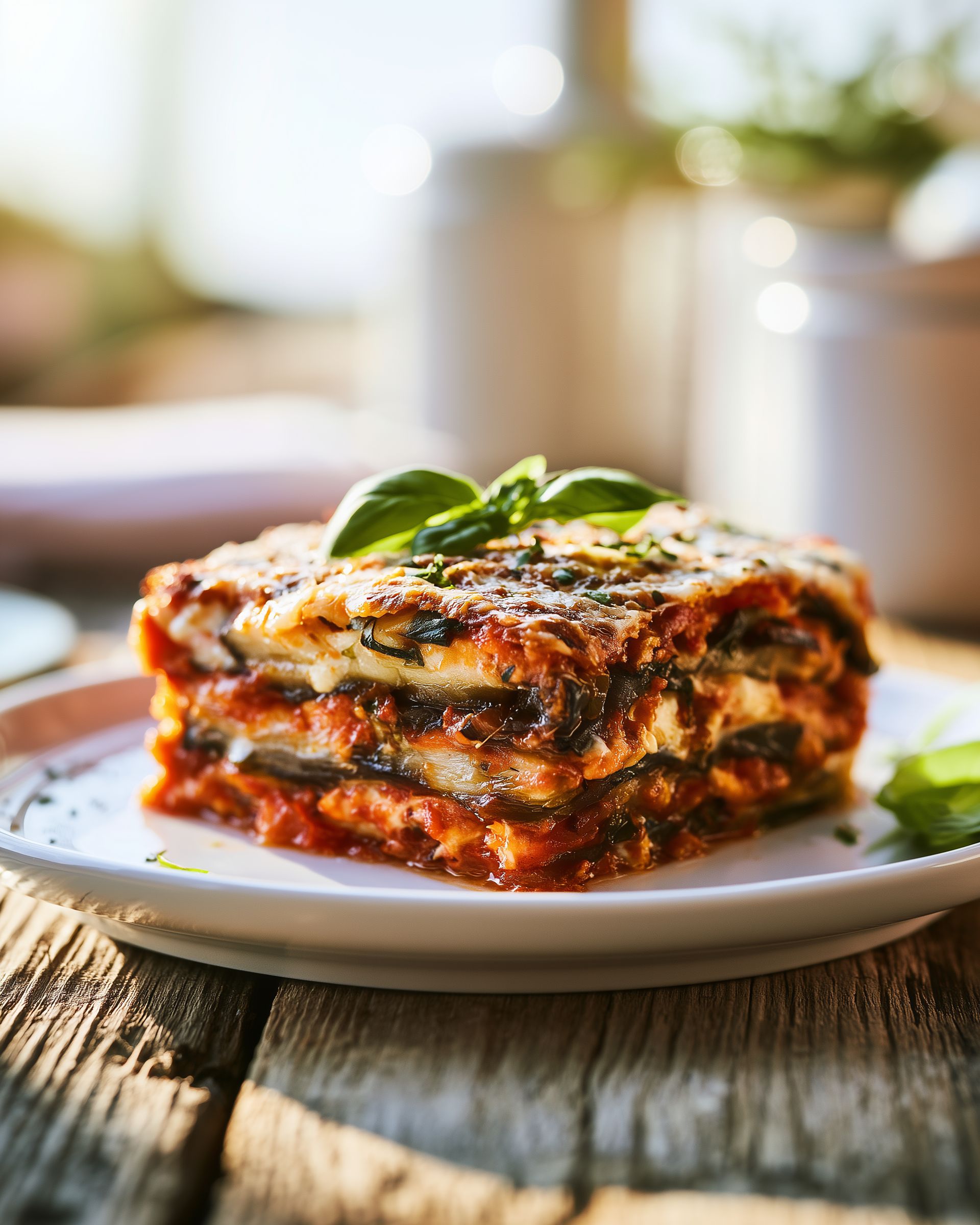
Naples and Sicily have argued about this dish for longer than anyone alive today has been eating it, each insisting the other got some detail wrong. We stay out of it entirely, and make the version that's simply always been made in this kitchen -- fried eggplant, a straightforward tomato sauce, and enough cheese that nobody leaves the table still thinking about eggplant specifically.
Ingredients
- 2 large eggplants, sliced into rounds about 1cm thick
- Fine sea salt, for degorging
- Olive oil, for frying
- 500g crushed tomatoes
- 2 cloves garlic
- Fresh basil
- 250g fresh mozzarella, torn or sliced
- 100g Parmigiano Reggiano, grated
Serves 6.
Cookware Required
- uno scolapasta (a colander, for salting the eggplant)
- una padella larga (a wide pan, for frying)
- una teglia da forno (a baking dish)
Method
Salt the eggplant slices, and let them sit in a colander for thirty minutes to draw out their bitterness and excess water. Pat them thoroughly dry -- any moisture left on the surface will make the oil spit, and will keep the slices from browning properly.
Fry the eggplant in batches in a generous amount of olive oil, until golden on both sides, and drain on paper towels. If you'd rather not fry, brushing the slices with oil and roasting them at 220°C (425°F) until tender and lightly colored works as a lighter, if less traditional, alternative.
Warm a little olive oil, cook the garlic until pale gold, add the crushed tomatoes and a pinch of salt, and simmer for fifteen minutes.
Spread a thin layer of sauce in a baking dish. Layer eggplant slices over it, followed by more sauce, torn basil, mozzarella, and a scatter of Parmigiano. Repeat the layers until you run out of eggplant, finishing with sauce, mozzarella, and a generous final layer of Parmigiano.
Bake at 190°C (375°F) for thirty to thirty-five minutes, until bubbling and deeply golden on top. Let it rest for at least fifteen minutes before serving -- cut into it too soon and it collapses into a puddle instead of holding its layers.
Quando Va Storto
If the finished dish is watery when you cut into it, the eggplant wasn't salted and dried thoroughly enough beforehand, and released its moisture straight into the layers as it baked. If it tastes greasy rather than rich, the oil wasn't hot enough during frying, and the eggplant absorbed it instead of sealing against it. And if the layers slide apart the moment you serve it, it simply wasn't rested long enough after coming out of the oven -- fifteen minutes is a minimum, and twenty is better.
Una Storia dalla Sala
A guest sent her melanzane alla parmigiana back, insisting flatly that there was no actual eggplant in it, having spent her whole life associating eggplant exclusively with the bitter, spongy vegetable she'd always been served elsewhere. Chiara, rather than arguing the point, simply cut into a fresh piece right there at the table and showed her what properly salted, well-fried eggplant actually looks and tastes like once it's treated the way it's supposed to be.
The guest finished the rest of the dish slowly, thoughtfully, and admitted on her way out that she'd apparently spent thirty years disliking a vegetable she had genuinely never once had cooked correctly.